How to Prevent Frozen Pipes and Furnace Failures This Winter
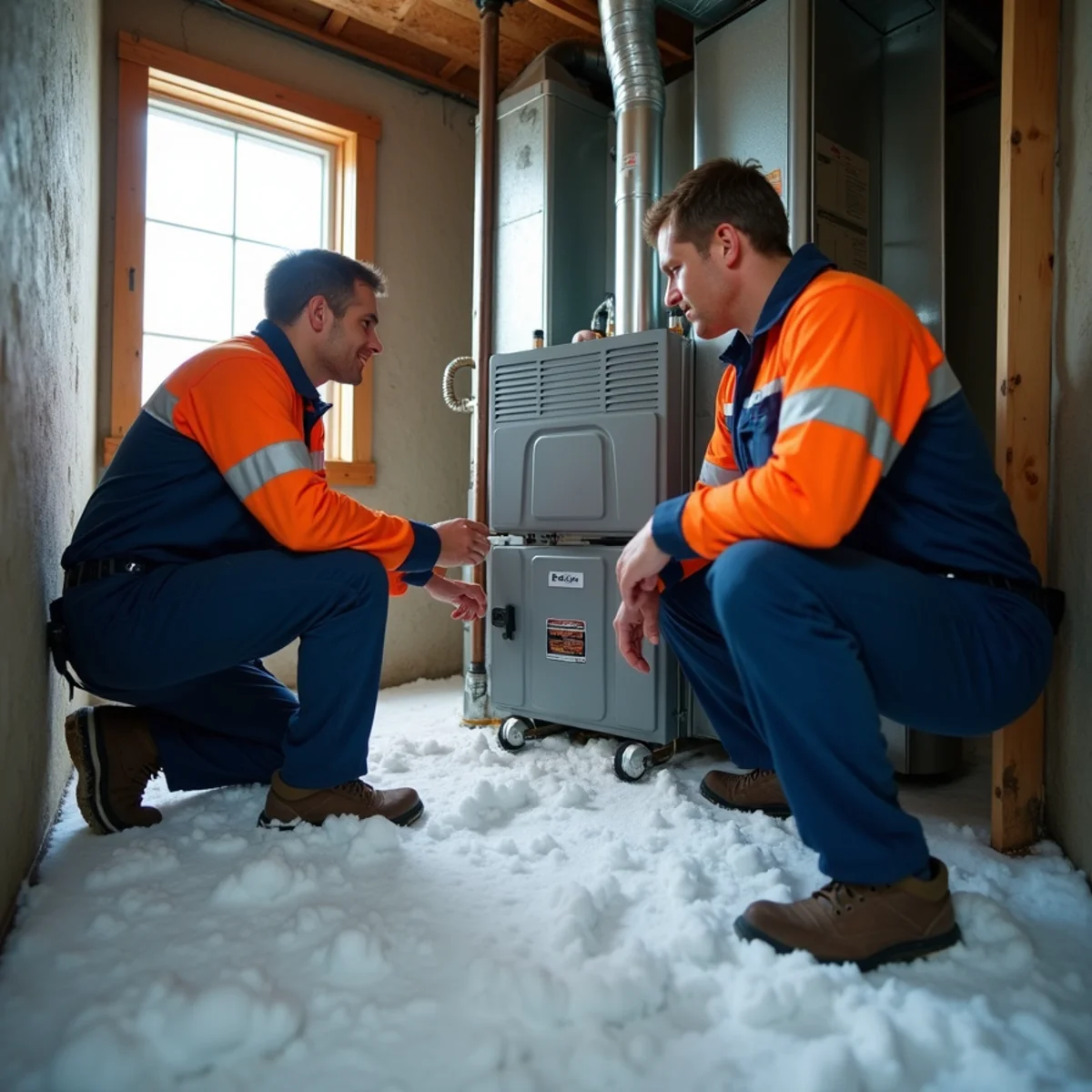
A furnace failure in deep cold can quickly lead to frozen, burst pipes. Here's how to prevent both disasters before they happen.
A furnace failure on the coldest night of the year isn't just uncomfortable — it can cascade into frozen and burst pipes, causing thousands in water damage. The good news is that both disasters are largely preventable with some planning. Here's how to protect your home.
Prevent Furnace Failure First
Most winter furnace breakdowns trace back to skipped maintenance and neglected filters. Prevent them by:
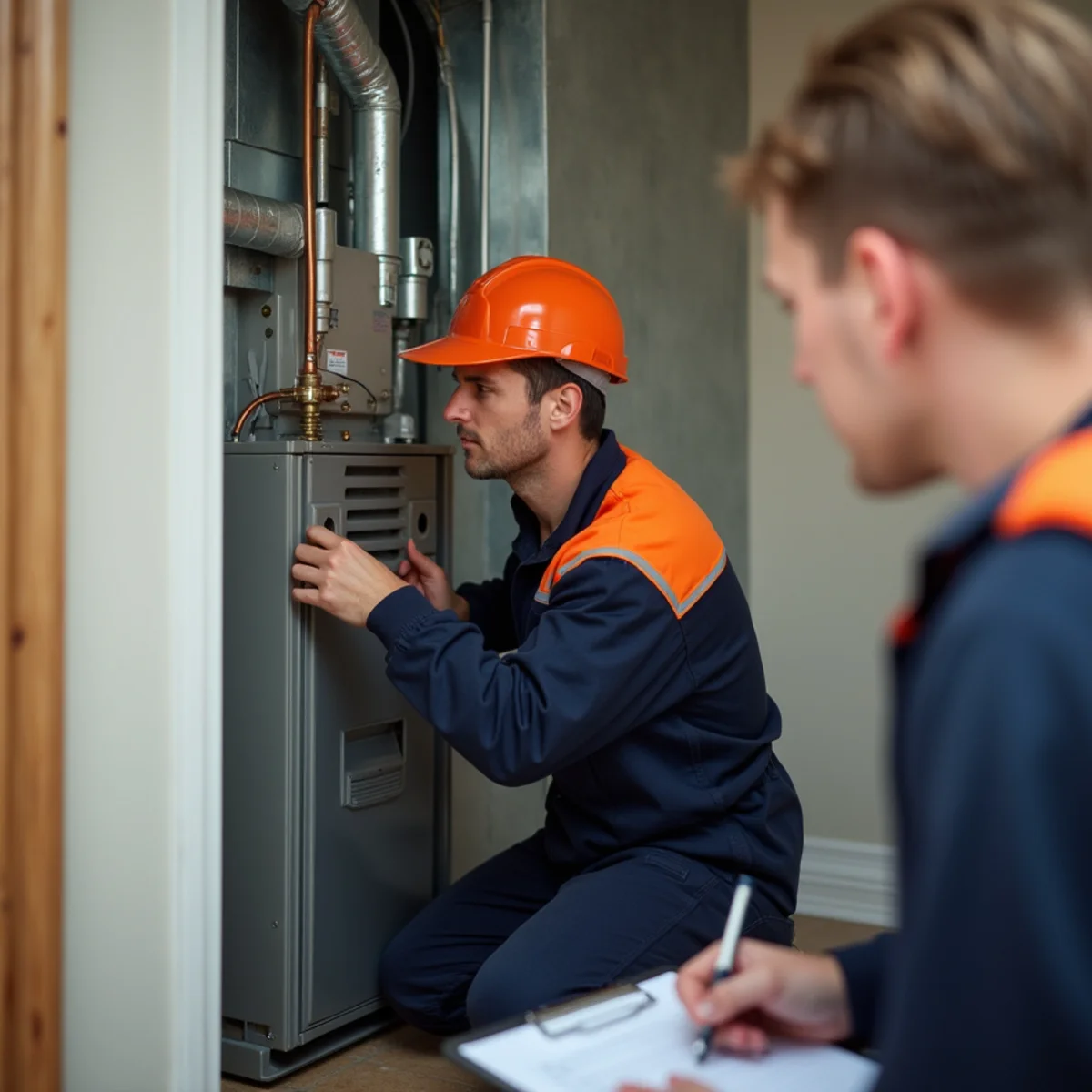
- Getting a professional fall tune-up before the season starts
- Changing the filter regularly to protect airflow and avoid safety trips
- Testing your heat early so problems surface before the deep freeze
- Addressing any unusual noises, smells, or short-cycling promptly
Protect Your Pipes
Pipes in unheated spaces — crawlspaces, garages, exterior walls — are most at risk. During extreme cold:
- Insulate exposed pipes with foam sleeves.
- Let faucets drip slightly to keep water moving.
- Open cabinet doors so warm air reaches pipes under sinks.
- Keep your heat set no lower than 55°F, even when away.
- Know where your main water shut-off is in case a pipe bursts.
If Your Furnace Fails Anyway
Even with prevention, failures happen. If you lose heat in a freeze, act fast to protect your pipes and call for help. Our emergency heating repair service is available 24/7, and our no-heat night checklist walks you through what to do while you wait. In colder communities like Damascus, having our number saved is smart.
The Chain Reaction You're Trying to Stop
A winter furnace failure rarely stays a furnace problem for long. When the heat goes out during a hard Maryland freeze and the house temperature falls, water in vulnerable pipes — those in unheated crawlspaces, garages, and exterior walls — can freeze, expand, and burst. Now a repairable furnace issue has become a flooded home and an insurance claim. Breaking that chain early is the whole point of prevention.
The two defenses work together. Keep the furnace healthy so it doesn't quit in the first place, and protect the pipes so a rare failure doesn't cascade. Most winter breakdowns trace back to skipped maintenance and neglected filters, which is why a fall tune-up is the highest-value preventive step you can take.
A Practical Pipe-Protection Plan
Before deep cold arrives, take these steps so a no-heat night can't turn into water damage:
- Locate your main water shut-off now, so you can act fast if a pipe does burst.
- Insulate exposed pipes in crawlspaces, garages, and along exterior walls with foam sleeves.
- During extreme cold, let faucets drip slightly to keep water moving.
- Open cabinet doors under sinks so household heat reaches the pipes.
- Keep the thermostat no lower than 55°F, even when you're away.
An Expert's Take: The Tune-Up Pays for Itself Here
Weigh the cost of prevention against the cost of failure and it isn't close. A fall heating tune-up that catches a failing ignitor or dirty flame sensor costs a fraction of an overnight emergency heating repair — let alone emergency repair plus water-damage cleanup. In colder communities like Damascus, where furnaces run hard and freezes are sharper, that math is even more lopsided. Our related no-heat night checklist covers what to do if a failure happens anyway.
Prevention Pays Off
A fall tune-up and a little pipe protection cost far less than an emergency repair plus water damage cleanup. Our HVAC maintenance service keeps your system reliable all winter. Call P&Y at (831) 461-3437.
Need Help From a Local Pro?
P&Y Heating and Cooling is here 24/7 for Montgomery County. Call for fast, licensed service and a free estimate.
Call (831) 461-3437