What to Do When Your AC Stops Working in a Maryland Heat Wave

When your air conditioner dies in the middle of a Maryland heat wave, a few quick checks can sometimes get it running again — and keep your family safe until help arrives.
There's never a good time for your air conditioner to quit, but a Maryland heat wave is the worst. When the humidity climbs and the house starts heating up fast, it's easy to panic. Before you do, run through these steps — a few of them can get your system going again, and the rest will keep your household safe while you wait for a technician.
1. Check the Thermostat First
It sounds obvious, but the thermostat is the number-one false alarm. Make sure it's set to "cool" and the temperature is set several degrees below the current room temperature. If it runs on batteries, a dead battery can shut the whole system down — swap them and see if the system kicks on.
2. Inspect the Air Filter
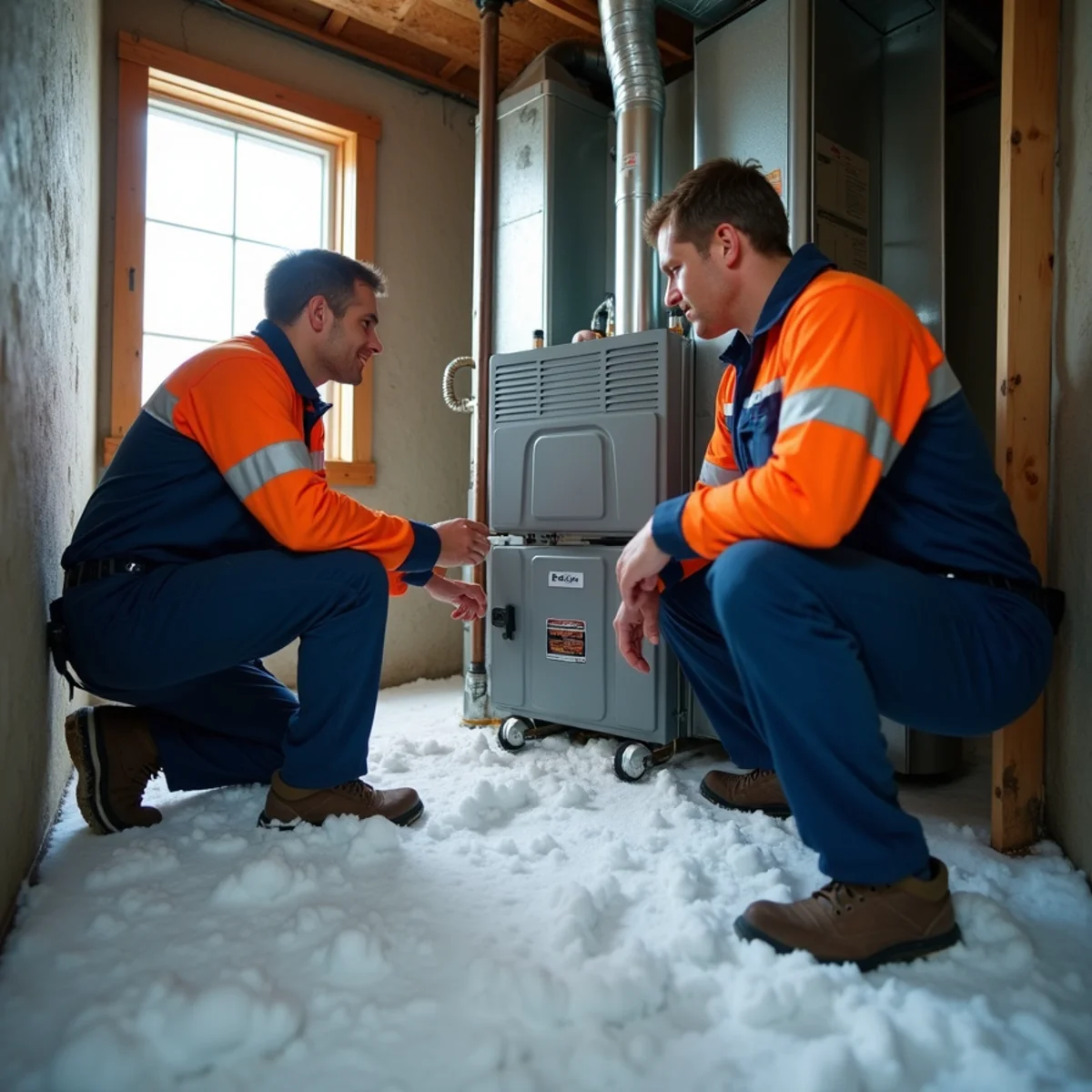
A severely clogged filter is one of the most common reasons an AC stops cooling. When airflow is choked off, the evaporator coil can freeze into a block of ice and cooling stops entirely. If your filter is gray and packed with dust, replace it. If you spot ice on the indoor unit or refrigerant lines, turn the system off and let it thaw fully before running it again.
3. Check Your Breakers
Air conditioners often have two power sources: one for the indoor air handler and one for the outdoor condenser. Check your electrical panel for a tripped breaker and reset it once. If it trips again immediately, stop — that's an electrical fault that needs a professional, and repeatedly resetting it is a safety risk.
4. Look at the Outdoor Unit
Head outside and listen. Is the condenser fan spinning? Is the unit buried in leaves, grass clippings, or debris? Clear anything blocking airflow around it. If the fan isn't turning but you hear a humming sound, a failed capacitor is a likely culprit — that's a quick, affordable fix for a technician, but not a DIY job.
When It's Time to Call a Pro
If the basics don't restore cooling, the cause is usually low refrigerant from a leak, a failed capacitor or compressor, or a frozen coil — and those need a licensed technician. Our guide to why your AC blows warm air breaks down the common causes in detail. When you're ready, P&Y offers emergency AC repair across Gaithersburg and Montgomery County, including fast same-day service in communities like Rockville.
Staying Safe in the Heat
- Move to the coolest part of the home and stay hydrated.
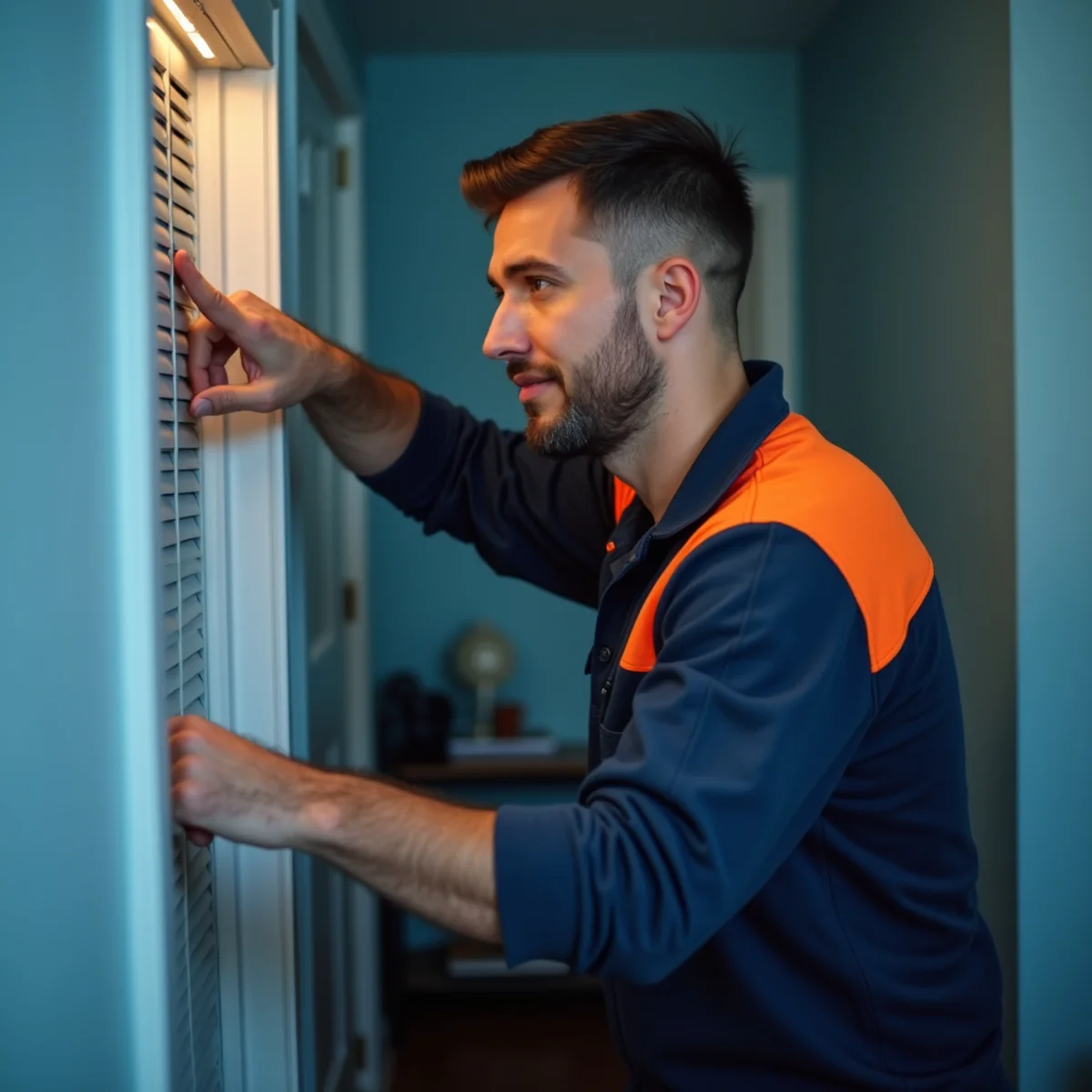
- Close blinds and curtains on the sunny side of the house.
- Check on elderly family members, young children, and pets — they're most vulnerable to heat.
- Use fans to circulate air, and consider a cooler public space if the home gets dangerously hot.
Why Heat Waves Break So Many Air Conditioners
A heat wave doesn't just make your AC work harder — it exposes every weakness the system has been hiding. On a mild 80°F day, a marginal capacitor, a slightly low refrigerant charge, or a dirty condenser coil can limp along unnoticed. Push the outdoor temperature past 95°F with high Maryland humidity, and those same components are suddenly running at their limit for 12 hours straight.
That's why the whole neighborhood seems to lose cooling at once during a heat wave: thousands of systems are being stress-tested simultaneously. The most common heat-wave failures we see are blown run capacitors, overheated compressors, and coils frozen solid from restricted airflow. Keeping your filter clean and the outdoor unit clear gives your system its best shot at surviving the peak.
How to Keep Your Home Cooler While You Wait
If your AC is down and a technician is on the way, a few steps slow how fast the house heats up:
- Close blinds and curtains on the south- and west-facing windows to block direct sun.
- Run ceiling and box fans — moving air makes skin feel several degrees cooler.
- Avoid the oven and stovetop; cook with the microwave or eat cold meals.
- Close off unused rooms to concentrate cooling where people are.
- Hydrate and check on elderly family, young children, and pets, who are most vulnerable to heat.
An Expert's Take: Prevention Beats the Heat-Wave Rush
After years of no-cool calls, the pattern is clear: the systems that fail in July are almost always the ones that skipped their spring tune-up. A spring AC maintenance visit catches a weak capacitor or low charge while it's a cheap, scheduled fix — not a $675 emergency during the busiest week of the year. If your system is over 12 years old and already struggling, it's worth reading our guide to AC installation cost in Montgomery County before the next heat wave forces the decision for you. We keep Rockville and the whole county cool with proactive service.
The Bottom Line
A dead AC in a heat wave is stressful, but a calm walkthrough of the thermostat, filter, breakers, and outdoor unit resolves a surprising number of cases. When it doesn't, don't sweat it out — our AC repair team is available around the clock. Call P&Y at (831) 461-3437 and we'll get your home comfortable again.
Need Help From a Local Pro?
P&Y Heating and Cooling is here 24/7 for Montgomery County. Call for fast, licensed service and a free estimate.
Call (831) 461-3437