
Frozen AC Coil? Why It Happens and How to Thaw It Safely
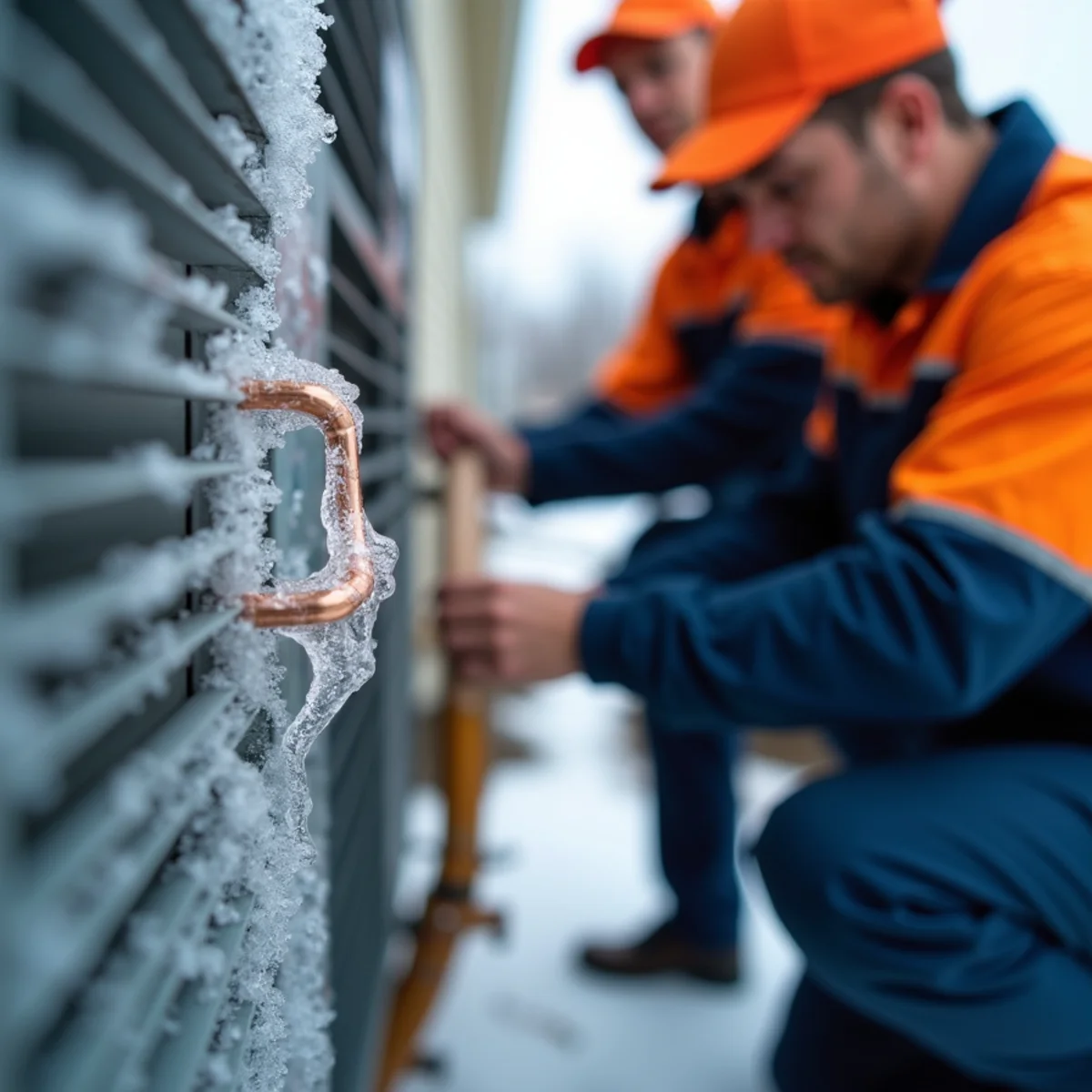
A frozen AC coil turns your cooling off and can damage the compressor. Here's why it happens, how to thaw it safely, and how to keep it from recurring.
Spotting ice on your air conditioner seems counterintuitive — isn't it supposed to be cold? But a frozen evaporator coil is a real problem: it stops your AC from cooling and, if you keep running it, can damage the compressor. Here's what causes it and how to handle it safely.
Why AC Coils Freeze
A coil freezes when something disrupts the balance of airflow and refrigerant. The two most common causes are restricted airflow and low refrigerant:
- Restricted airflow: A clogged filter, blocked vents, or dirty coil starves the system of the warm air it needs to keep the coil above freezing.
- Low refrigerant: A leak drops the pressure, causing the coil temperature to fall below freezing and condensation to turn to ice.
- Blower problems: A failing blower motor moves too little air across the coil.
- Running the AC in cold weather: Operating the system when it's too cool outside can trigger a freeze.
How to Thaw It Safely
If you see ice, follow these steps:
- 1Turn the AC off at the thermostat to stop making more ice.
- 2Set the thermostat fan to "on" — the moving air helps the coil thaw faster.
- 3Wait for the ice to melt completely, which can take a few hours. Never chip at it with a tool.
- 4Replace a dirty filter while you wait.
- 5Once fully thawed, restart the system. If it freezes again, you likely have a refrigerant or airflow problem that needs a pro.
When to Call a Technician
If your coil keeps freezing after a filter change and full thaw, the cause is usually low refrigerant from a leak or a deeper airflow issue. Our guide to why an AC blows warm air covers related symptoms. P&Y's AC not cooling service finds and fixes the root cause across Germantown and Montgomery County.
Why a Frozen Coil Is a Symptom, Not the Disease
Ice on an air conditioner always traces back to one of two root causes: not enough warm air moving across the coil, or not enough refrigerant. When either happens, the coil temperature drops below freezing and the moisture condensing on it turns to ice instead of draining away. Melting the ice gets you cooling back temporarily, but if you don't fix the underlying cause, it freezes again within a day or two.
Airflow problems are the more common and more fixable cause: a clogged filter, closed or blocked vents, a dirty coil, or a failing blower motor. Refrigerant problems mean a leak, which requires a technician to locate and seal before recharging. On any AC-not-cooling call, we identify which root cause is behind the freeze so it doesn't come right back.
The Compressor Damage You're Trying to Avoid
The reason we stress turning a frozen system off isn't just lost cooling — it's protecting the compressor, the most expensive component in the whole system. When the coil is iced over, liquid refrigerant that should have evaporated can slug back to the compressor, which is designed to pump vapor, not liquid. Repeated 'liquid slugging' wears out or destroys the compressor, turning a minor airflow fix into a major repair or replacement decision.
This is also why regular HVAC maintenance matters: most freeze-ups start with a neglected filter or a slow refrigerant leak that a tune-up would have caught. Homeowners in Germantown who keep up with seasonal service rarely deal with a frozen coil at all.
Preventing Future Freezes
Most freezes trace back to neglected maintenance. Changing your filter regularly and scheduling annual HVAC maintenance keeps airflow and refrigerant in balance so the coil never freezes in the first place. Call P&Y at (831) 461-3437 to schedule a tune-up.
Need Help From a Local Pro?
P&Y Heating and Cooling is here 24/7 for Montgomery County. Call for fast, licensed service and a free estimate.
Call (831) 461-3437